

You’ve probably heard that your website is the “digital home” for your business — but if you’re a new coach or entrepreneur, knowing what to put on it can feel overwhelming.
Do you need a blog? A long About page? What belongs on your Services section?
Here’s the truth:
You don’t need a complicated website — you need a strategic one.
One that feels aligned with your story, guides visitors naturally, and builds trust with your dream clients.
At The Cultivators, this is exactly what I help women like you create — websites that blend clarity, connection, and conversion.
Let’s walk through the 7 must-have pages every coaching website needs (and what to say on each). 🌿
Home Page – Clarity First, Confidence Always
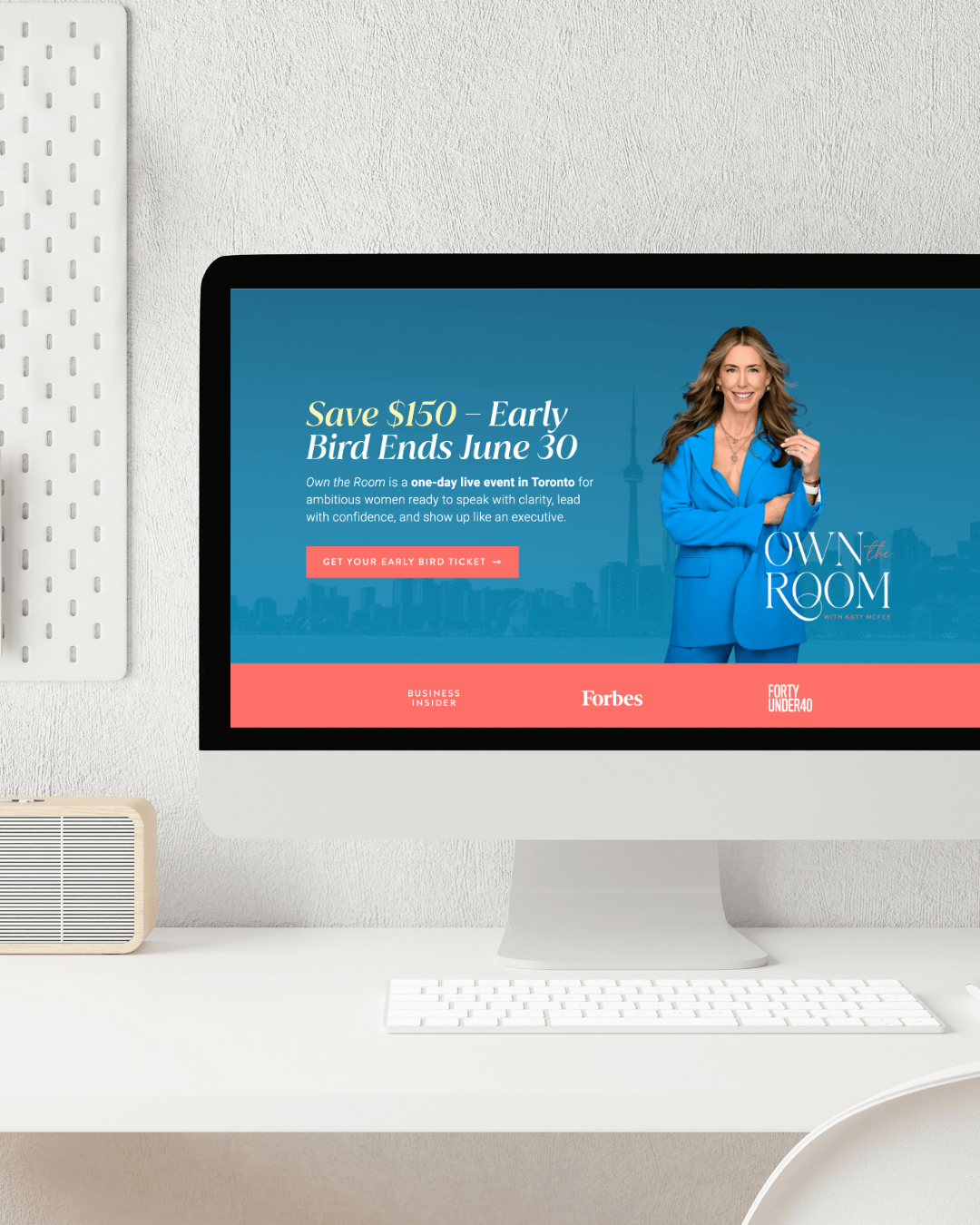
Your Home page is your first impression. It should instantly tell visitors:
- Who you help
- What transformation you offer
- How they can take the next step
Think of your hero section like an elevator pitch for your brand:
“I help [your audience] achieve [the outcome they want] through [your method or coaching style].”
Include:
- A brief introduction (“Hi, I’m [Name]…”)
- Your key offer (coaching package, signature program, or service)
- A clear call to action — “Book a discovery call” or “Explore my services”
🪄 Pro Tip: Avoid clutter. One primary CTA is better than five competing buttons.
This might look simple, but what makes this work isn’t just the sections… it’s the strategy behind what’s said, where, and why.
That’s the difference between a website that looks good and one that actually converts.
If you’re not sure whether your current pages are doing that, I can take a look.
About Page – Build Connection Through Story
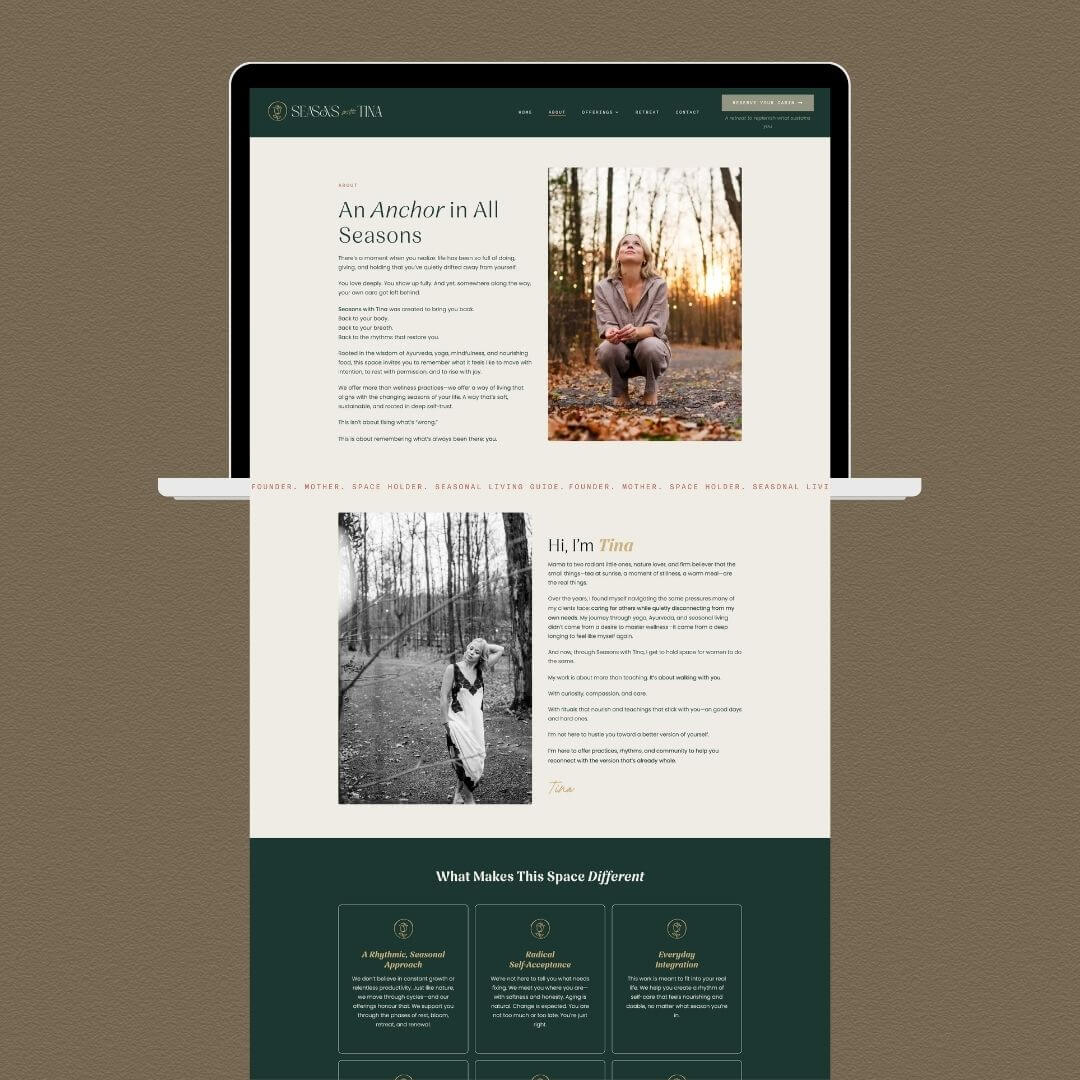
Your About page is not your résumé — it’s your brand story.
Use it to show your audience:
- Why you started
- What you believe in
- How your story connects to theirs
Follow this simple structure:
- The turning point — what inspired you to start your coaching business
- The mission — what drives your work
- The proof — results, experience, or client wins
- The personal touch — a bit of who you are beyond the business
Example:
“After 10 years in corporate, I realized my real passion was helping women reconnect with their health and confidence. That’s what inspired me to become a wellness coach — and it’s why I now help others do the same.”
Services Page – Speak to Outcomes, Not Features
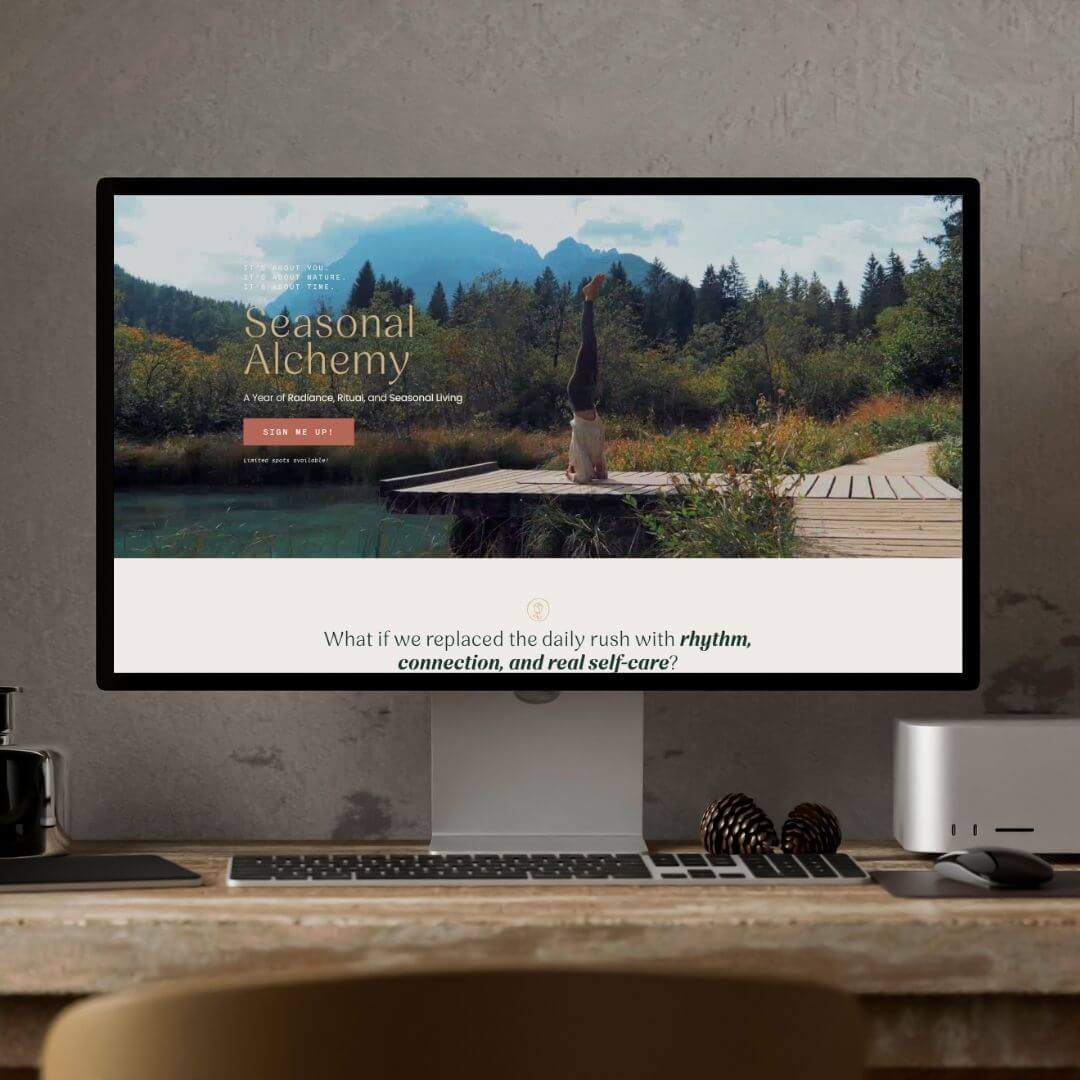
This is where clarity turns into conversion.
Instead of listing “1:1 sessions” or “coaching calls,” focus on the results clients can expect.
Write with transformation in mind: “Go from feeling overwhelmed and stuck to confident and clear in your next steps.”
Each offer should include:
- Who it’s for
- What’s included
- The outcome or transformation
- A call to action (e.g., “Book your consultation” or “Join the waitlist”)
🪄 Pro Tip: Break long descriptions into sections with headings. Scannable = readable.
Testimonials Page (or Section) – Let Others Build Trust for You
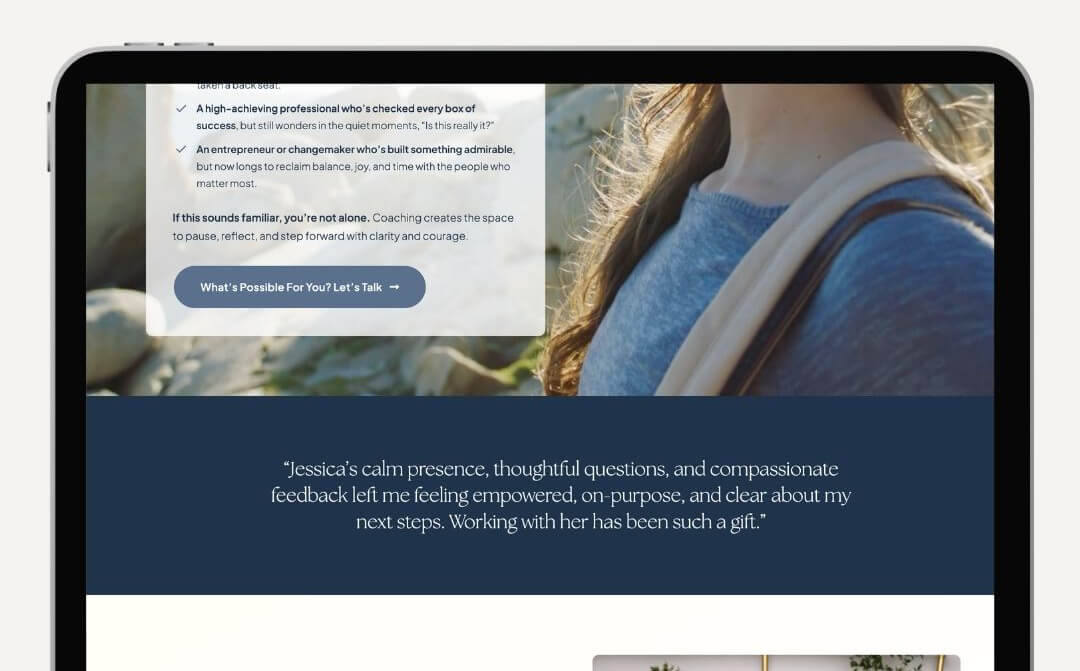
Social proof is powerful — and it’s especially important for service-based businesses.
Add testimonials throughout your site or on a dedicated page. Focus on stories that reflect real transformation:
“Working with [Coach Name] helped me rediscover confidence I hadn’t felt in years.”
💡 Include the client’s name, role, or business (if they consent). Visual proof like photos or logos adds credibility.
Free Resource / Lead Magnet Page – Grow Your Audience
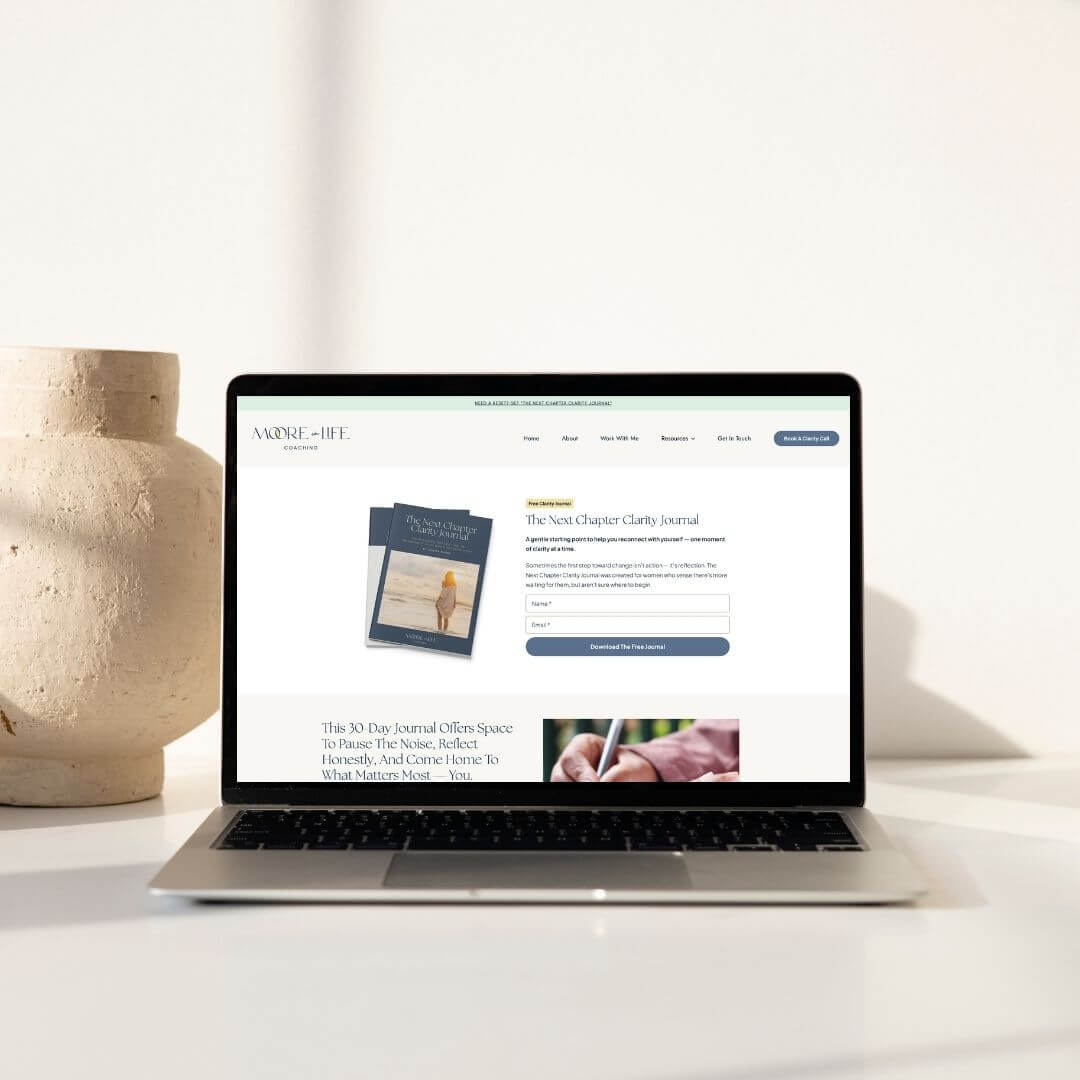
Before your audience is ready to buy, they often want to try.
Offer a free guide, workbook, or checklist that helps them take one small step toward their goal.
Examples:
- “5 Steps to Finding Your Coaching Niche”
- “Brand Story Workbook for Coaches” (coming soon from The Cultivators — stay tuned!)
- “Website Checklist for Wellness Coaches”
This page builds trust, grows your email list, and keeps your brand top-of-mind.
Blog Page – Show Your Expertise (and Boost SEO)
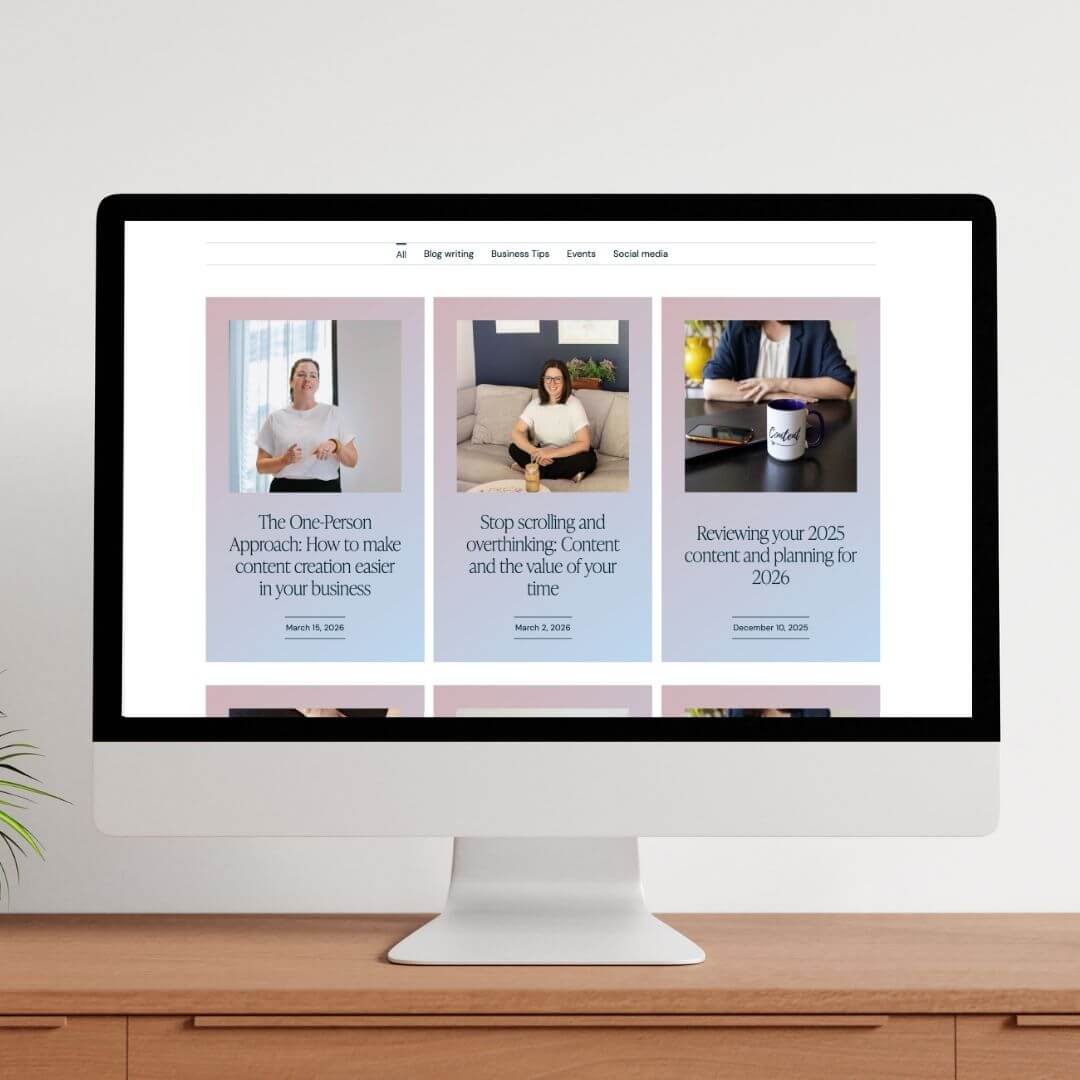
Your blog is where your voice becomes your visibility.
It positions you as a thought leader and helps clients find you through search.
Content ideas:
- “How to Create Work-Life Balance as a New Coach”
- “The Biggest Mistakes Coaches Make on Their Websites”
- “How to Get Your First 5 Coaching Clients”
🪄 SEO Tip: Use long-tail keywords like “health coach website tips” or “wellness coach marketing strategy” — they attract readers who are ready to act.
Contact Page – Make It Effortless to Connect
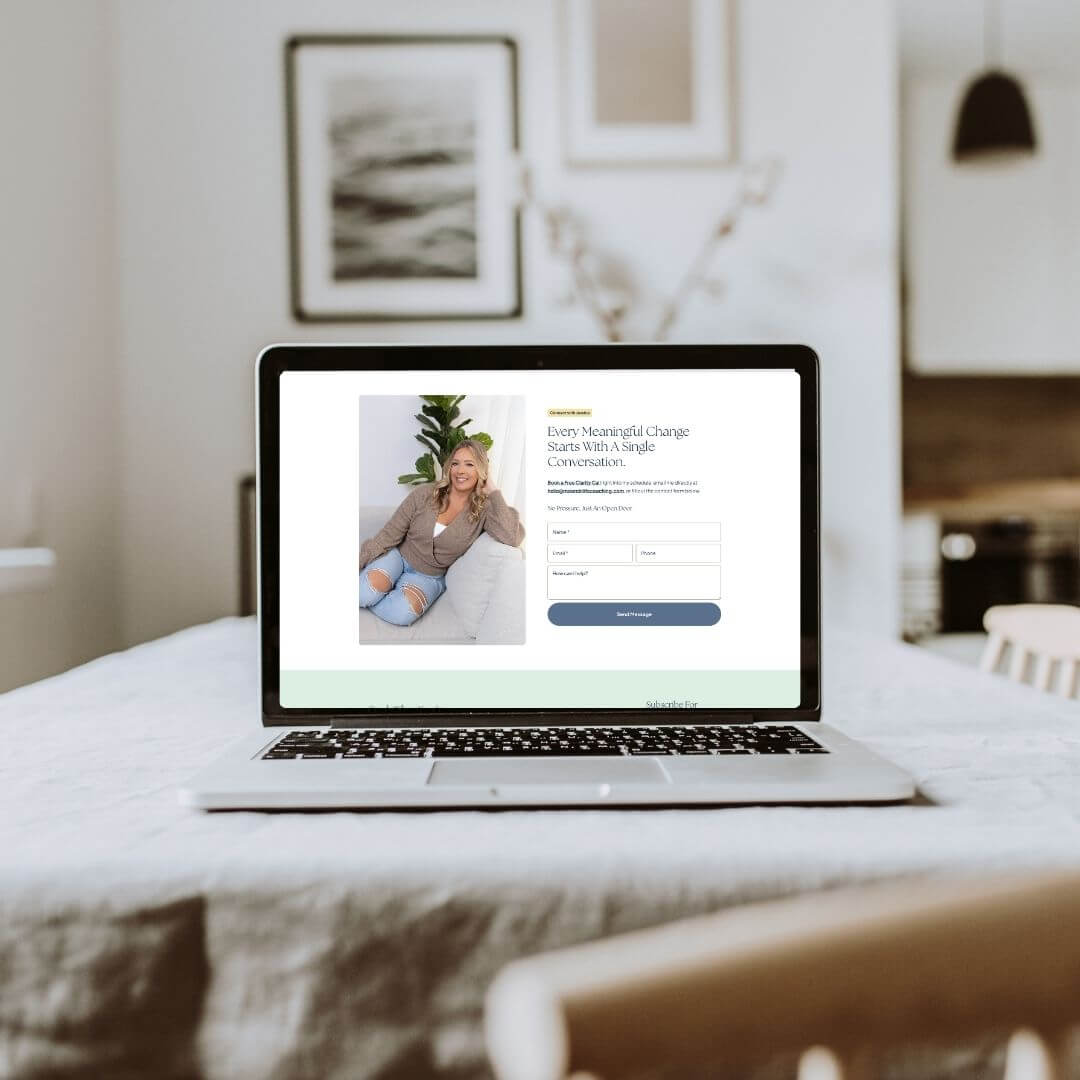
Your Contact page should be clear, warm, and welcoming.
Include:
- A brief message that sets expectations (“I reply within 1–2 business days”)
- A contact form or direct email
- Optional: links to your social platforms or booking calendar
💬 Example: “Ready to bring your vision to life? Let’s make it happen — fill out the form below, and I’ll be in touch soon.”
🪄 Pro Tip: Add a friendly photo — it makes the experience more personal.
Working with The Cultivators on Your Coaching Website

I’m Brittany Levesque, founder of The Cultivators, a website design and branding studio based in South Mountain, Ontario, working with businesses across Ottawa and Canada.
I design strategic, custom websites for coaches, therapists, and service-based business owners who have outgrown DIY and are ready for a site that actually supports their growth.
Most of my clients come to me after realizing their website isn’t doing what it should. It looks fine, but it’s not converting, not clearly communicating their value, or not attracting the right clients.
That’s where I come in.
Every project starts with strategy. Not just what pages you need, but how those pages are structured, what they say, and how they guide someone from landing on your site to becoming a client.
From there, I design and build a fully custom website that reflects your brand, builds trust, and is designed to convert.
Every project is handled by me personally. No junior designers, no handoffs, no surprises.
Custom website projects typically start at $3,600 CAD, depending on scope and strategy.
Frequently Asked Questions About Coaching Websites
What pages should a coaching website include?
Most coaching websites should include a Home page, About page, Services page, Testimonials or results page, Contact page, and a free resource or lead magnet page. These pages help potential clients understand who you help, what you offer, and how they can work with you.
Do coaches really need a website?
Yes. While social media can help build visibility, a website gives you a professional home online where potential clients can learn about your services, read testimonials, and book a call. It also allows you to be discovered through search engines.
What should a coaching homepage include?
A coaching homepage should clearly explain who you help and the outcome you help them achieve. It should include a short introduction, a section about your services, social proof like testimonials, and a clear call to action such as booking a discovery call.
Do coaching websites need testimonials?
Testimonials help build trust with potential clients. Seeing real feedback from past clients can reassure visitors that your coaching process is valuable and effective.
Should coaches have a blog?
A blog can help coaches share insights, demonstrate expertise, and improve their visibility in search engines. Writing helpful articles that answer common questions can attract potential clients who are searching for guidance online.
How long should a coaching website be?
A simple coaching website often includes five to seven core pages. The goal is not to have the most pages, but to clearly communicate your message and make it easy for visitors to take the next step.
Can I build a coaching website myself?
Many coaches start by building their own website using templates or website builders. As their business grows, they often choose to work with a designer to create a more strategic website that better reflects their brand and supports their goals.
Planning a coaching website?
Whether you’re starting from scratch or redesigning an existing site, I help coaches create websites that reflect the quality of their work.
Continue Reading

Browse The Post
- You’ve probably heard that your website is the “digital home” for your business — but if you’re a new coach or entrepreneur, knowing what to put on it can feel overwhelming.
- Home Page – Clarity First, Confidence Always
- About Page – Build Connection Through Story
- Testimonials Page (or Section) – Let Others Build Trust for You
- Free Resource / Lead Magnet Page – Grow Your Audience
- Blog Page – Show Your Expertise (and Boost SEO)
- Contact Page – Make It Effortless to Connect
- Working with The Cultivators on Your Coaching Website
- Frequently Asked Questions About Coaching Websites
- Planning a coaching website?
- Continue Reading
- 20 Quiz Ideas for Coaches & Service-Based Businesses That Can Actually Generate Leads
- Health Coach About Page: 7 Design Tips That Build Trust
- How to Start a Coaching Business Online, and Why Your Website Is the Foundation
- The 7 Must-Have Pages for Your Coaching Website (and What to Say on Each)
- Hi, I’m Brittany