

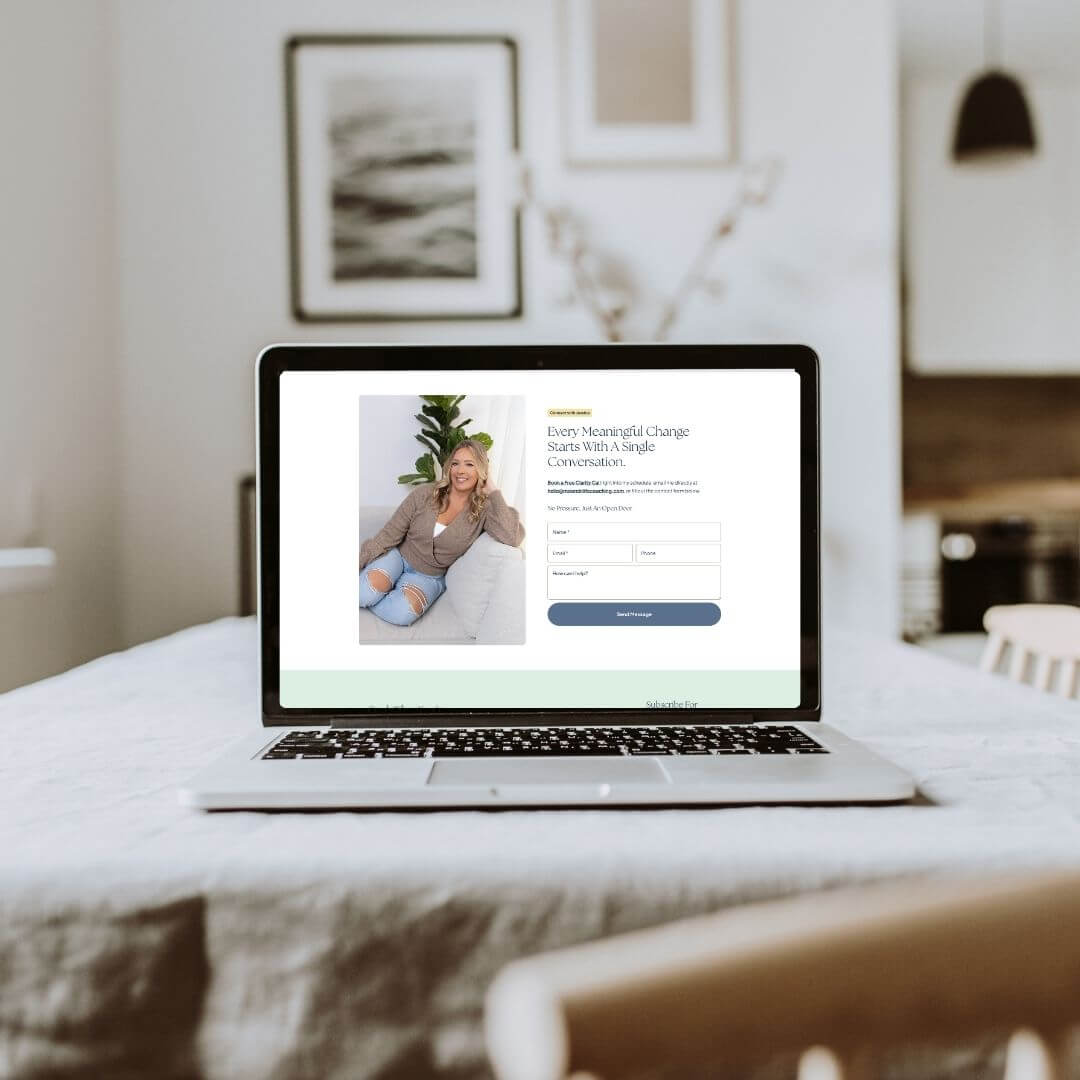
Your health coaching About page is not simply a place to share your qualifications or tell your life story. It is where a potential client decides whether they feel understood, whether your approach feels like the right fit, and whether they are ready to take the next step.
A strong About page builds connection while making your offer clear. It should help the right person think: “This coach understands what I am going through—and I can see how they could help.”
Here are seven health coach About-page design tips to help you create a page that feels personal, professional, and built to convert curious visitors into discovery calls.
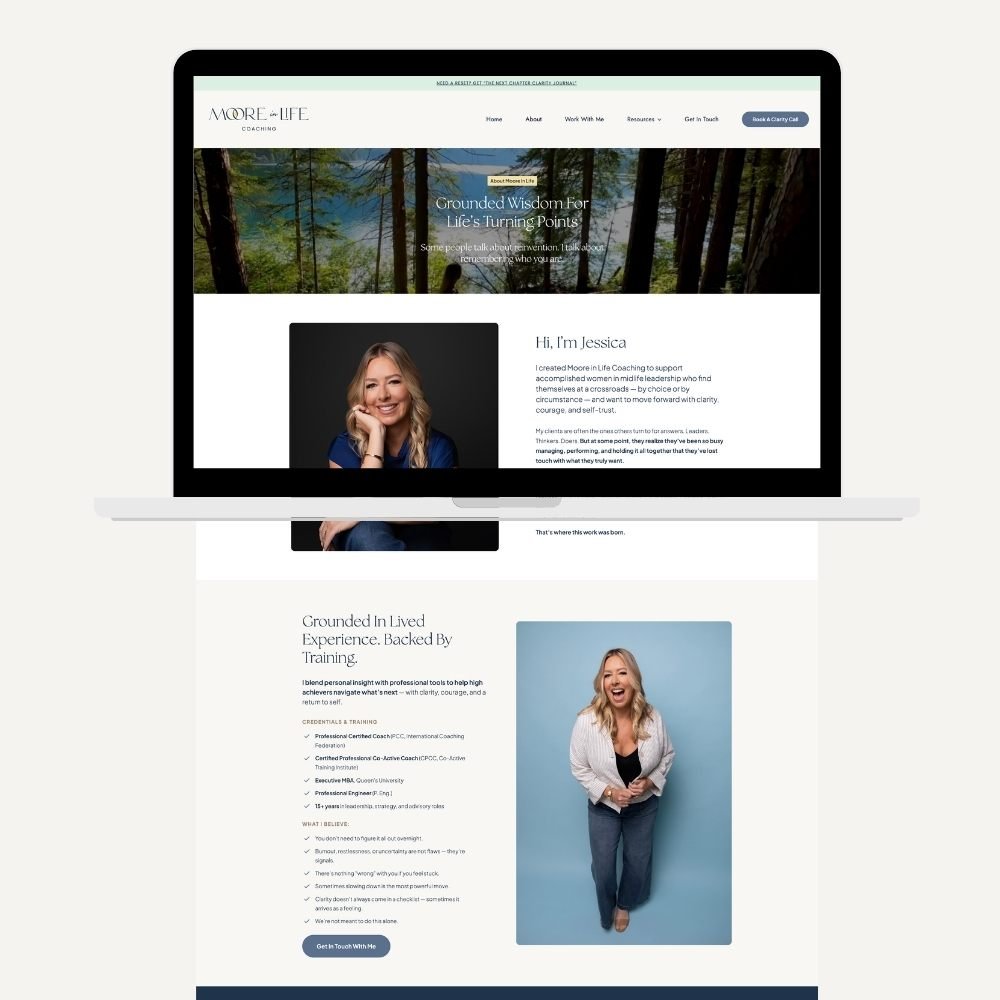
1. Start with the person you help—not your résumé
Many coaches begin their About page with a version of, “Hi, I’m [Name], and I’m a certified health coach.” While your credentials matter, that opening does not immediately tell the reader whether they are in the right place.
Instead, begin by reflecting the person you want to work with and the challenge they are experiencing.
For example:
You are doing your best to take care of yourself, but healthy habits keep falling to the bottom of the list. You want more energy, consistency, and confidence in your choices—without another restrictive plan to follow.
This kind of opening helps a visitor feel seen. Once they know the page is for them, they will be much more interested in learning about your story, experience, and approach.
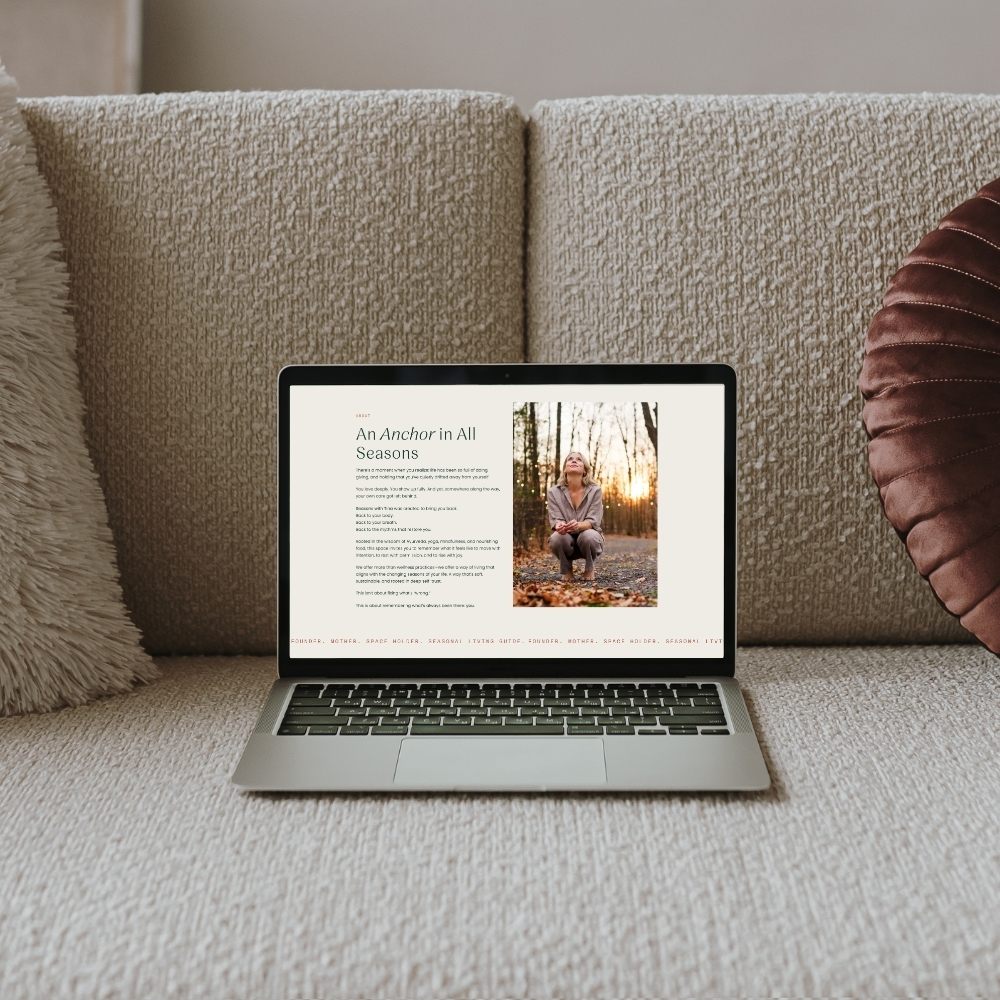
2. Share your story with a clear purpose
Your personal story can be one of the most powerful parts of your health coaching website. It gives people context for why you do this work and can make your brand feel more human.
But your story should always come back to the client.
Instead of writing every detail of your professional journey, focus on the moment, experience, or belief that led you to become a coach. Then explain how that shapes the support you provide today.
For example:
After years of trying to “do health perfectly,” I learned that lasting well-being is not built through pressure, perfection, or another set of rules. It is built through self-trust, practical support, and habits that work in real life. That is the foundation of the coaching I offer today.
A good test is this: after reading your story, can a potential client clearly understand how it benefits them? If not, tighten the section or move some of the detail to another page.
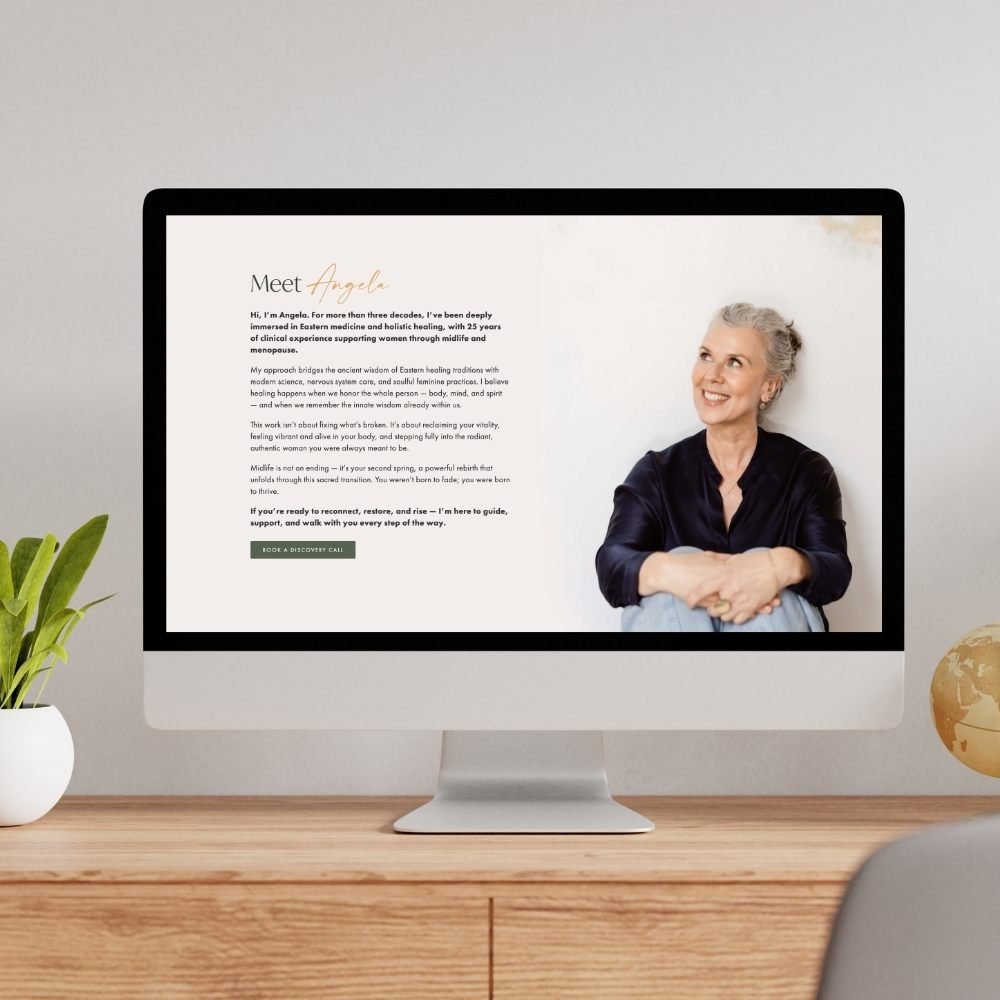
3. Be specific about what you help clients with
- Low energy, burnout, or feeling disconnected from their routine
- Emotional eating or an all-or-nothing relationship with health
- Major life transitions, including motherhood, career changes, or midlife
- Building realistic movement, nutrition, sleep, or stress-management habits
- A desire to feel more confident and at home in their body
4. Explain your approach in plain language
Explain your approach in a way that is clear, supportive, and grounded in the actual experience of coaching with you.
My coaching is practical, compassionate, and designed for real life. Together, we will identify the habits and patterns that are keeping you stuck, create goals that feel realistic, and build routines you can actually maintain—even when life is busy.
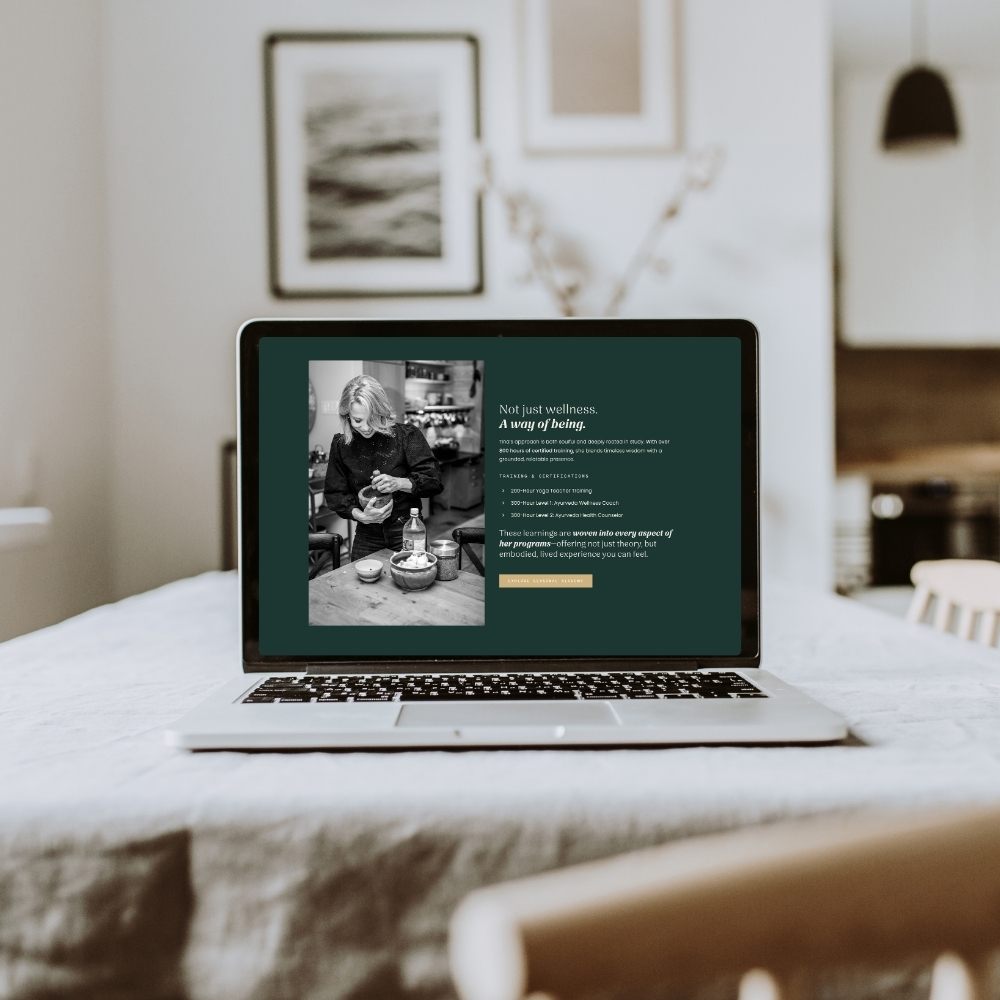
5. Include credentials, but make them easy to understand
I am a Certified Health Coach through [Certification Program] and have additional training in [relevant area]. My work is rooted in behaviour change, compassionate accountability, and practical strategies that help clients create sustainable routines.
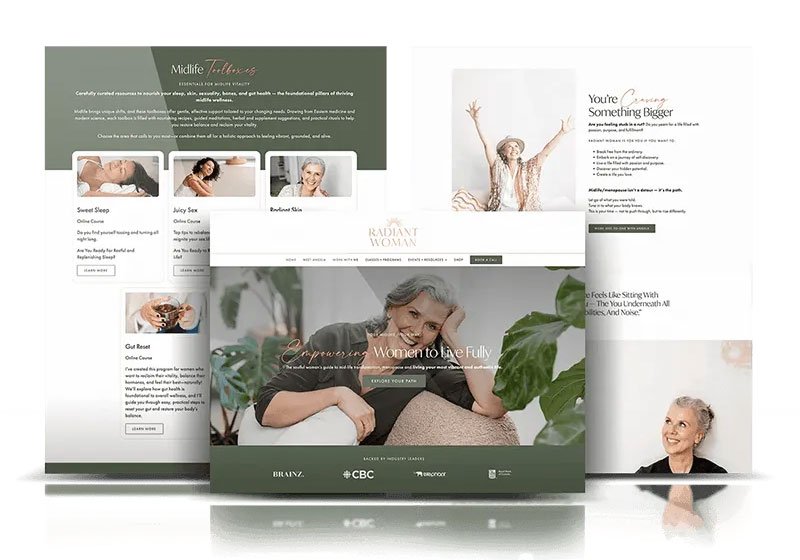
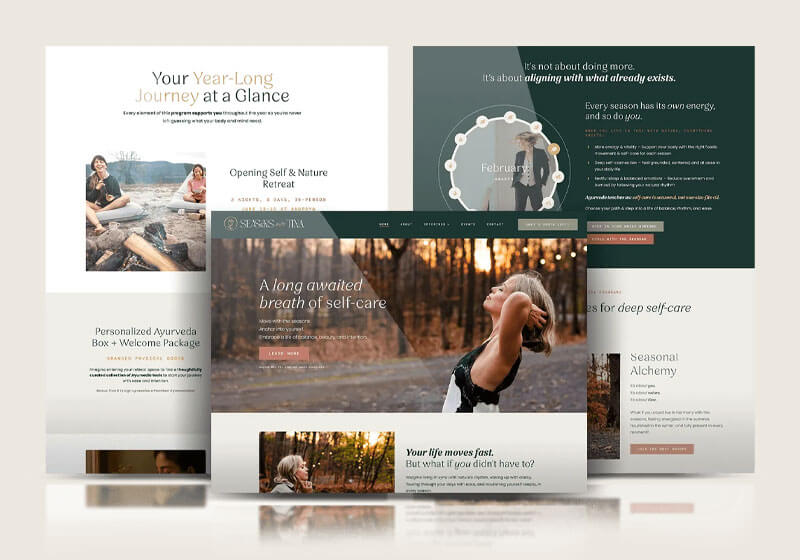
6. Use photos that make your brand feel personal and professional
- A welcoming headshot where your face is clearly visible
- A lifestyle image of you working, writing, or preparing for a session
- A photo that reflects the feeling of your brand, such as calm, energy, nourishment, or connection
7. End with a clear, low-pressure next step
Do not make a visitor scroll back to the top of your site to figure out what to do next. Your About page should end with an invitation that feels simple and supportive.
A discovery call is often the best next step because it lets people ask questions before committing to a coaching package.
Use a call to action such as:
Ready to Feel More Supported in Your Health Journey?
You do not have to figure it all out alone. Book a free discovery call to ask questions, share what you are looking for, and see whether coaching with me feels like the right fit.
[Book Your Discovery Call]
If you do not offer discovery calls, use a clear alternative such as Explore Coaching Packages, View My Services, or Get in Touch.
A checklist for your health coaching about page
Before publishing or updating your about page, check these:
Your About page is only one part of a website designed to turn visitors into clients. Read The 7 Essential Pages Every Coaching Website Needs to make sure the rest of your site supports the same clear client journey.
Working with a designer who understands health coaching websites

If you’ve read this and thought “I need someone to help me do this properly”, that’s exactly what I do.
I’ve designed websites for health coaches, wellness practitioners, nutritionists, and holistic health professionals across Canada. I understand that a health coaching website isn’t just about looking professional, it’s about creating the kind of trust and connection that makes a potential client feel safe enough to reach out.
Every project starts with strategy. We talk about who you’re trying to reach, what they need to feel, and what needs to change for them before we talk about colours or fonts. Then we build something that works.
If you’re ready to have a website that finally reflects the quality of your work, I’d love to chat. The clarity call is free and there’s no commitment. Book a Free Clarity Call
Browse The Post
- 1. Start with the person you help—not your résumé
- 2. Share your story with a clear purpose
- 3. Be specific about what you help clients with
- 4. Explain your approach in plain language
- 5. Include credentials, but make them easy to understand
- 6. Use photos that make your brand feel personal and professional
- 7. End with a clear, low-pressure next step
- A checklist for your health coaching about page
- Working with a designer who understands health coaching websites
- Hi, I’m Brittany